2026-03-29



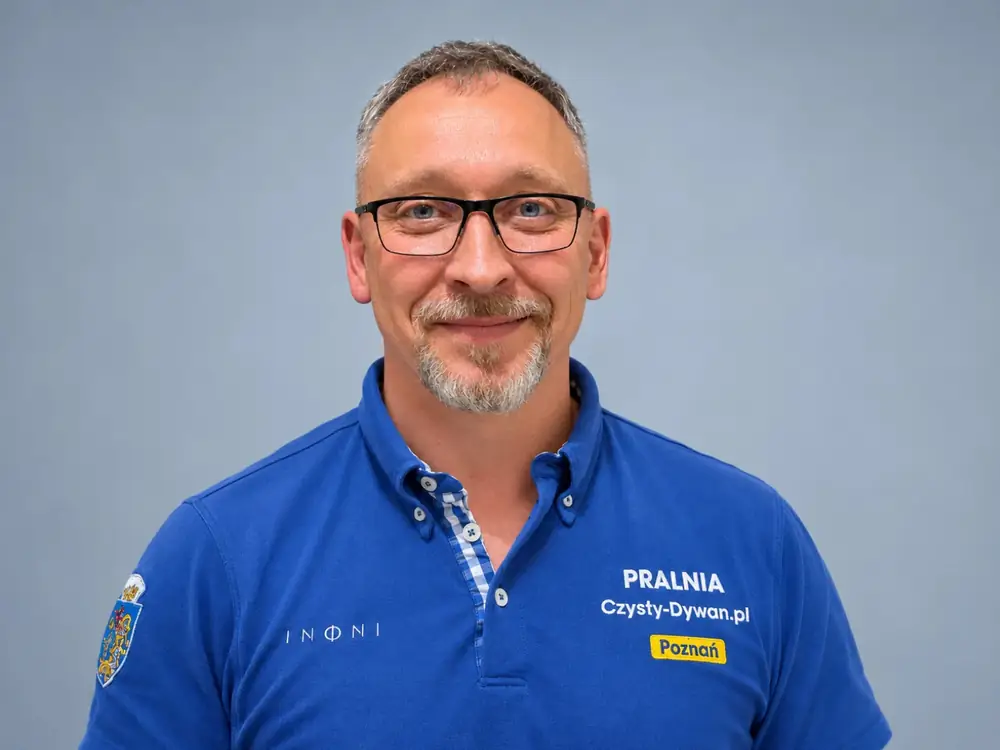
I have run Perfect – Miłowski since 10 January 1999. Today, at my rug cleaning workshop in Plewiska near Poznań, I personally oversee the washing and work with my team to get rugs ready for collection. I share that experience in the Czysty-Dywan.pl guides. I explain how to identify fibres, what to find out before treating a stain and when cleaning a rug at home can make it harder to treat later.
Two rugs that look alike can need quite different treatments. I examine the pile and backing, check the construction and test the dyes for colourfastness. I also ask what caused the stain, which products have been used and whether the rug has been flooded or repaired. This helps me decide how to wash, rinse and dry it. If a mark comes from worn fibres or colour loss, I explain before washing what result the owner can expect.
In Berlin I learned to clean fitted carpets and upholstery with a Kärcher Puzzi 200 extraction cleaner. When I returned to Poland, I bought my own equipment. I visited homes and businesses and worked in restaurants at night after closing. When customers started asking me to collect their rugs, a caretaker let me use a basement drying room. Sometimes I even draped freshly washed rugs over chairs to dry.
In 2006 I opened my first permanent workshop on the Armii Krajowej estate in Poznań. That was where Czysty-Dywan began. In about 80 m² we fitted a washing station, a drying room and a reception area.
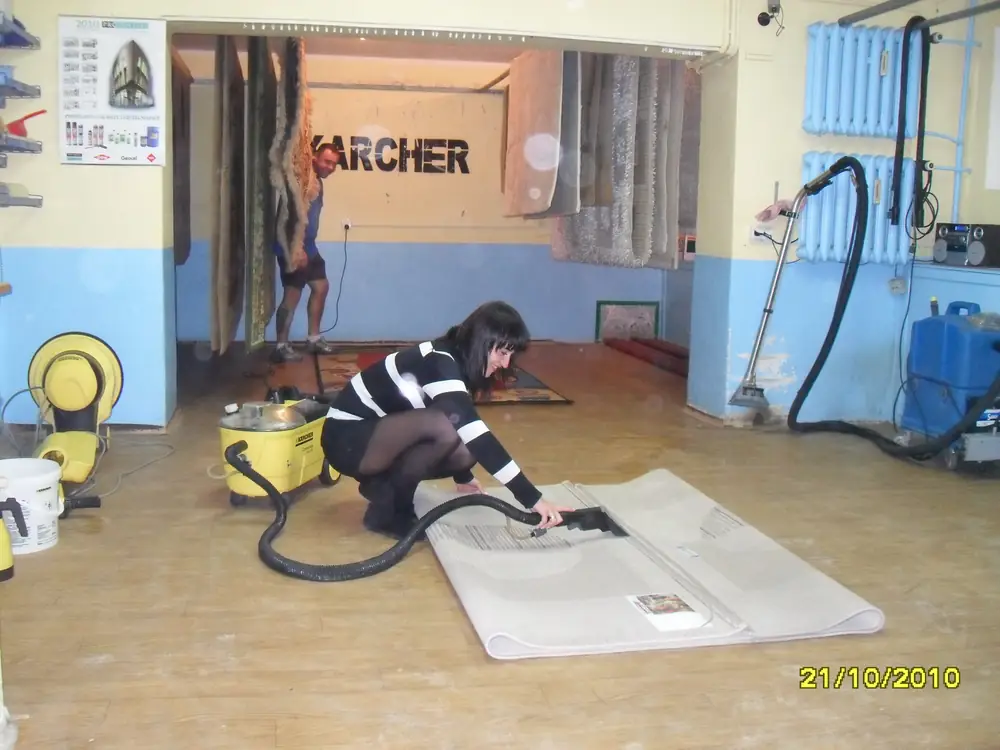
Our first workshop on the Armii Krajowej estate. We opened it in 2006. The photograph was taken in 2010.
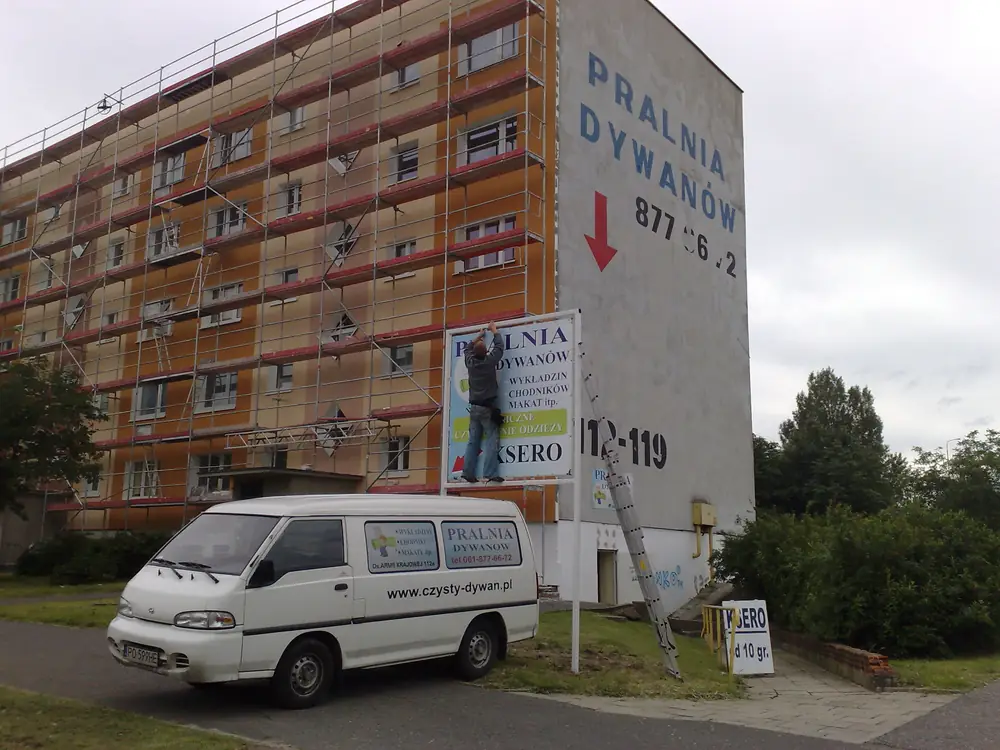
Our sign and van on the Armii Krajowej estate.
Around the turn of 2011 we moved our washing operation to 56 Wołczyńska Street in Plewiska. The roughly 100 m² space housed our first mechanical rug duster and spin dryer. We laid each rug pile-side down on a grate so the loosened grit fell through. After we had washed and rinsed the rug right through, the spin dryer removed much of the water before the rug went into the drying room.
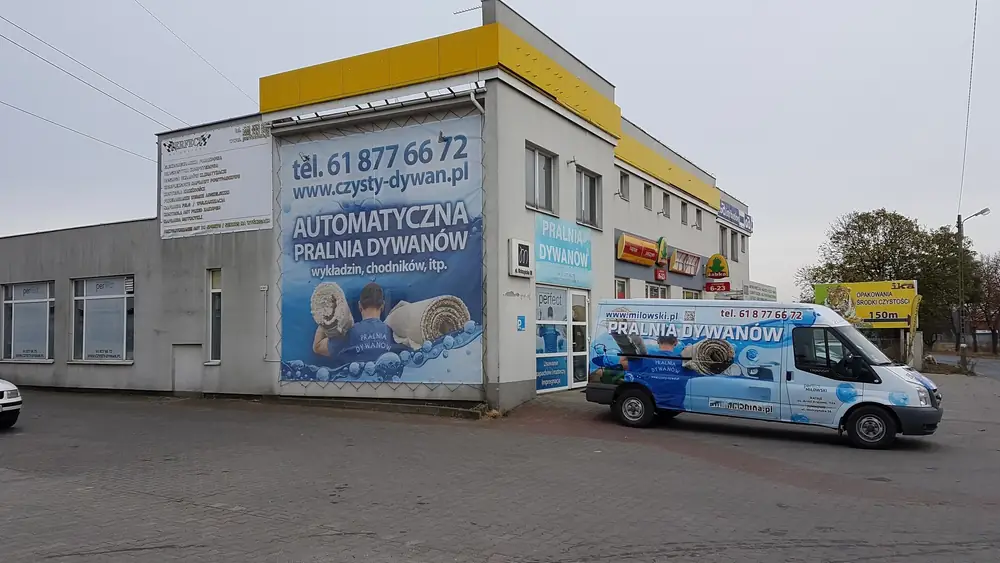
Our first premises at 56 Wołczyńska Street in Plewiska.
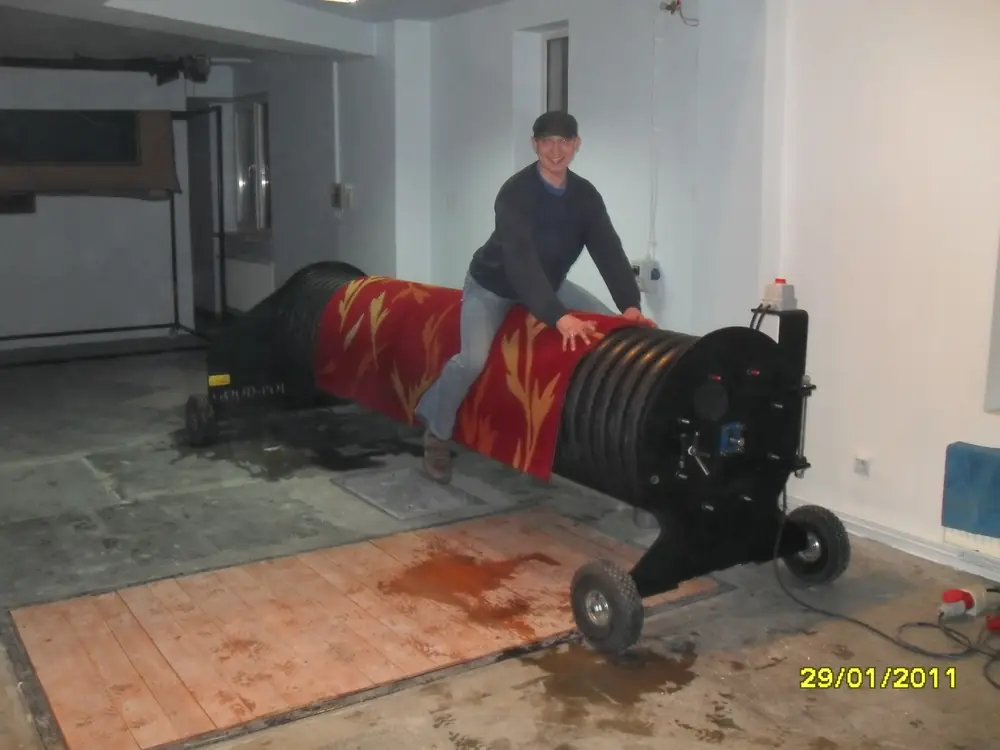
The first spin dryer we bought, photographed on 29 January 2011.
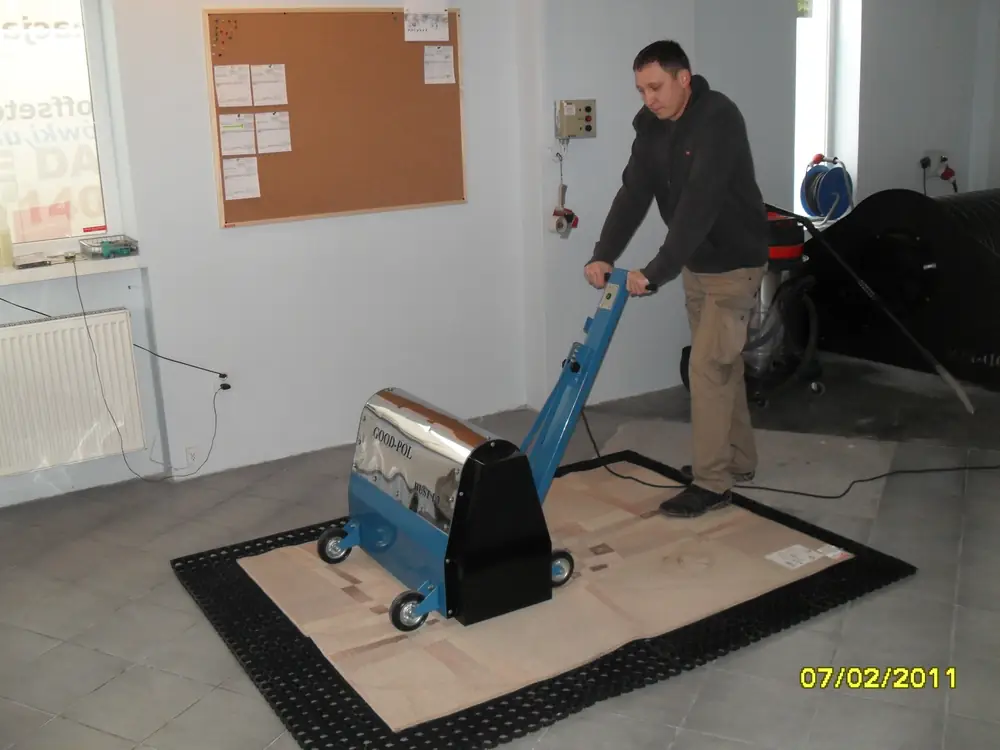
Our first mechanical rug duster, 2011.
Our early machines sometimes broke down. Between 2011 and 2025 my business partner and I developed equipment to make the work easier. We started with spin dryers and rug dusters. In 2013 we tested a rug squeegee. The following year we tried an automatic duster and a soaking tank. We tested our ideas on the rugs that came into the workshop.
In 2016 we developed a table for grooming and rolling freshly washed rugs. In 2017 we built an automatic washer with four brushes and a rinse cycle, followed a year later by a smaller version. I also worked on products for washing, stain protection, softening and odour removal. I developed another range with Kamil Rutkowski.
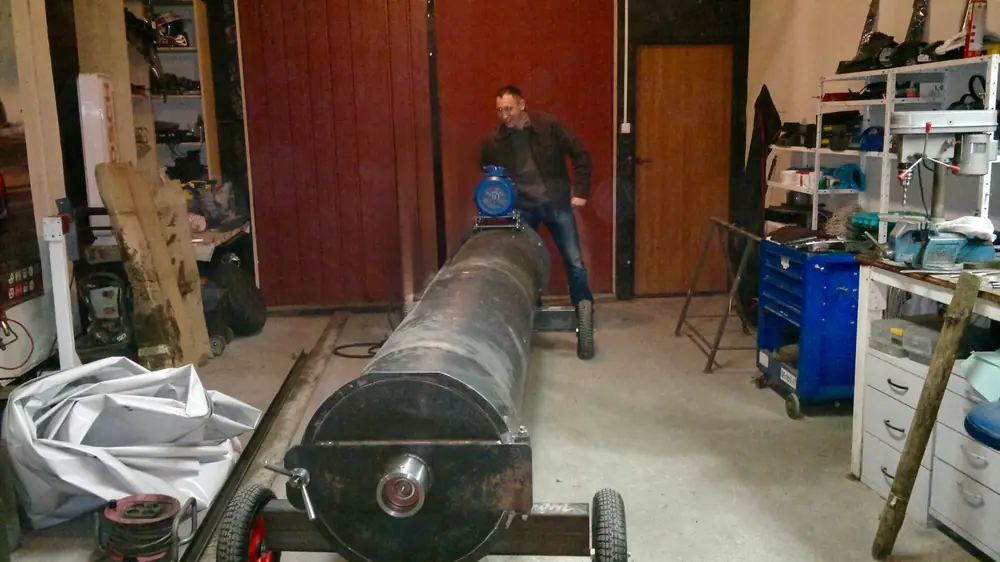
Building our second spin dryer in the workshop, 2012.
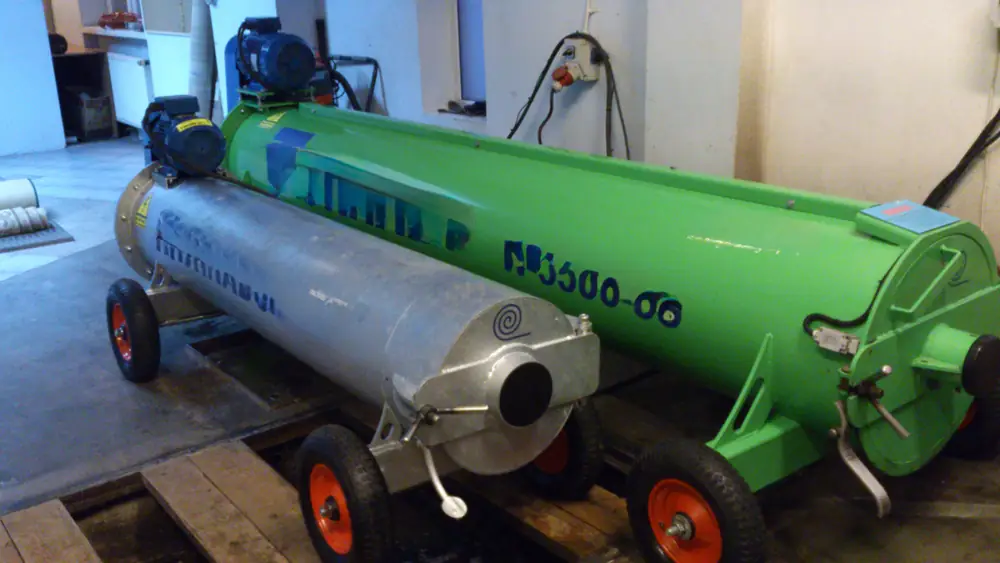
Two prototype rug spin dryers from 2012.
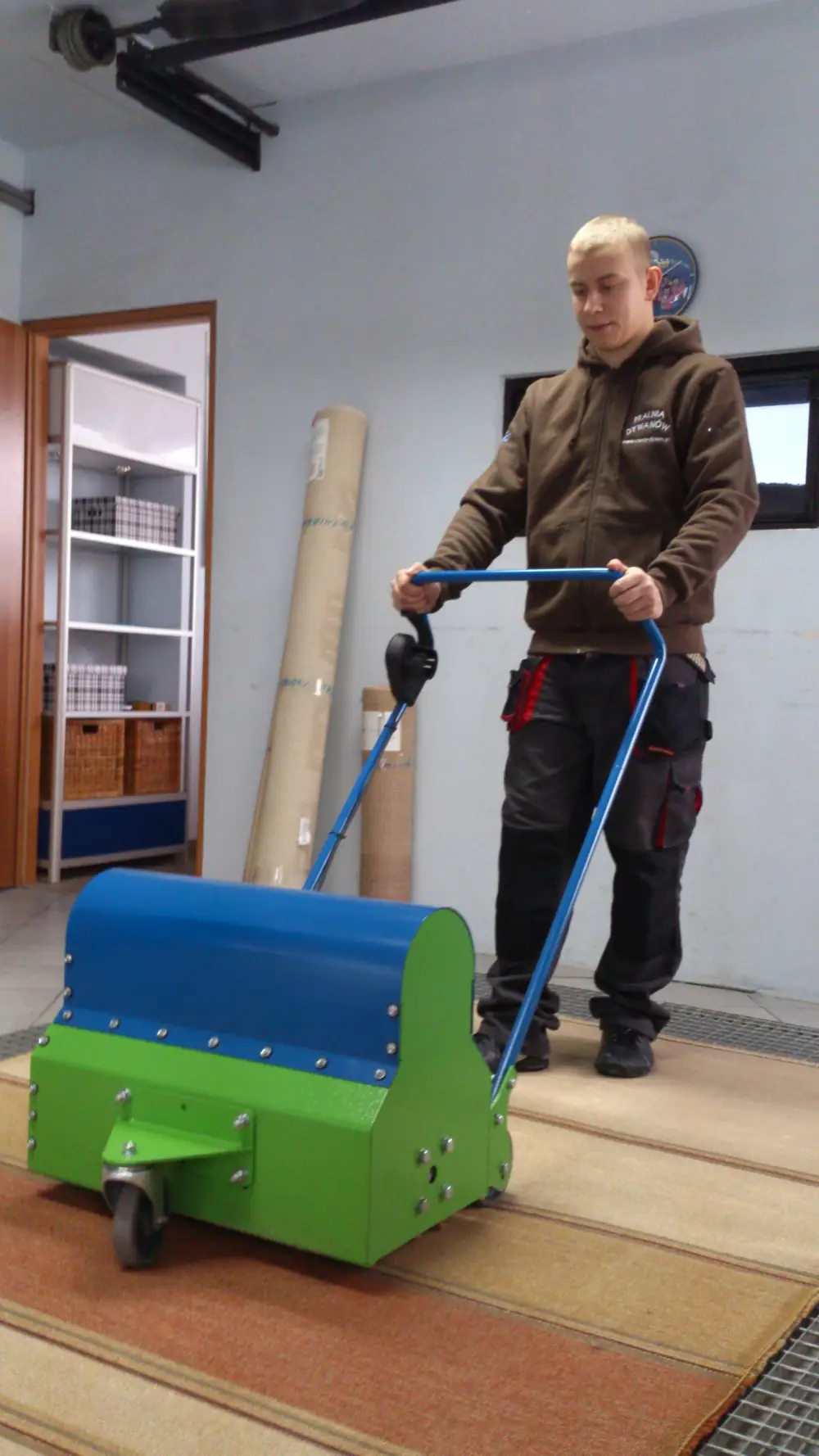
Testing a hand-guided rug duster in the workshop.
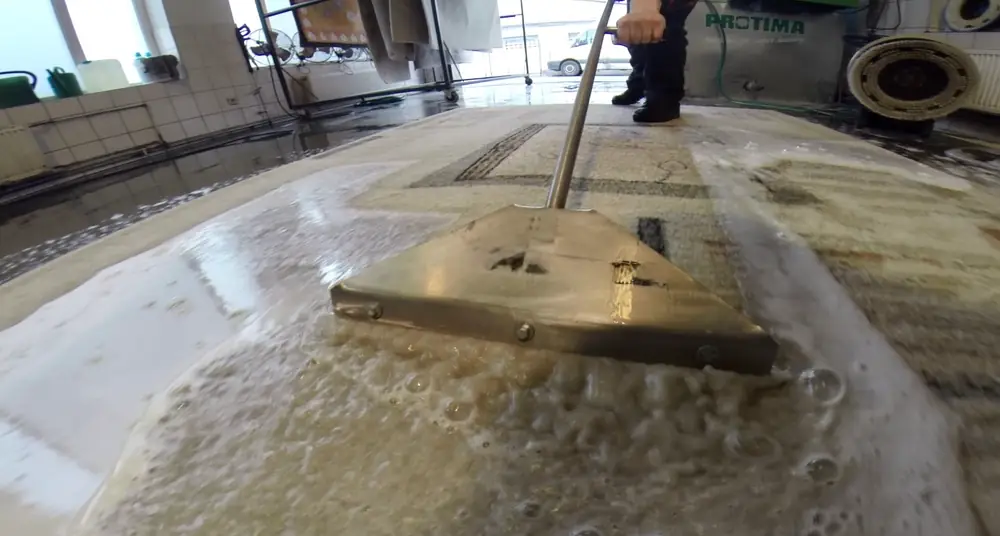
Testing a rug squeegee, 2013.
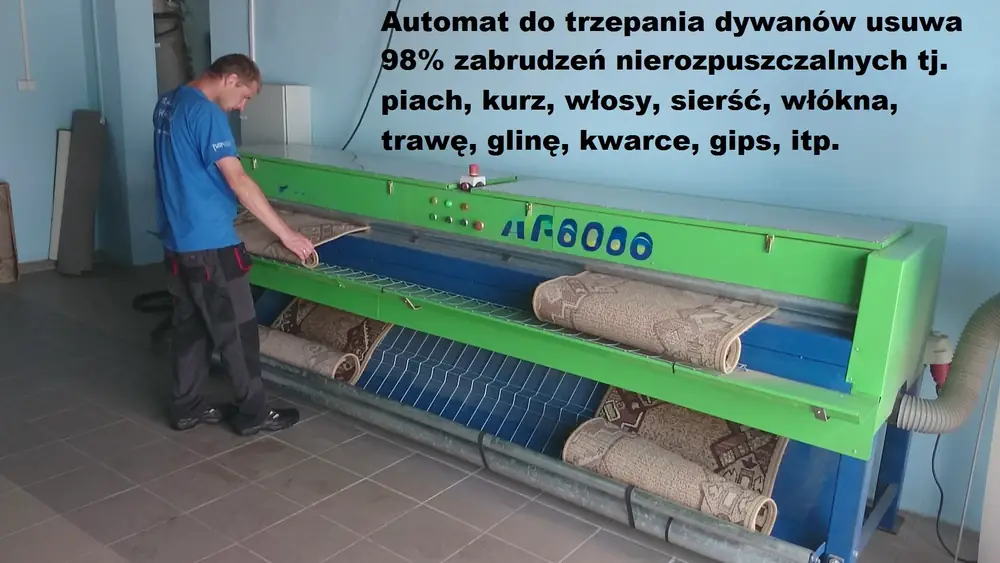
Prototype automatic rug duster in use, 2014.
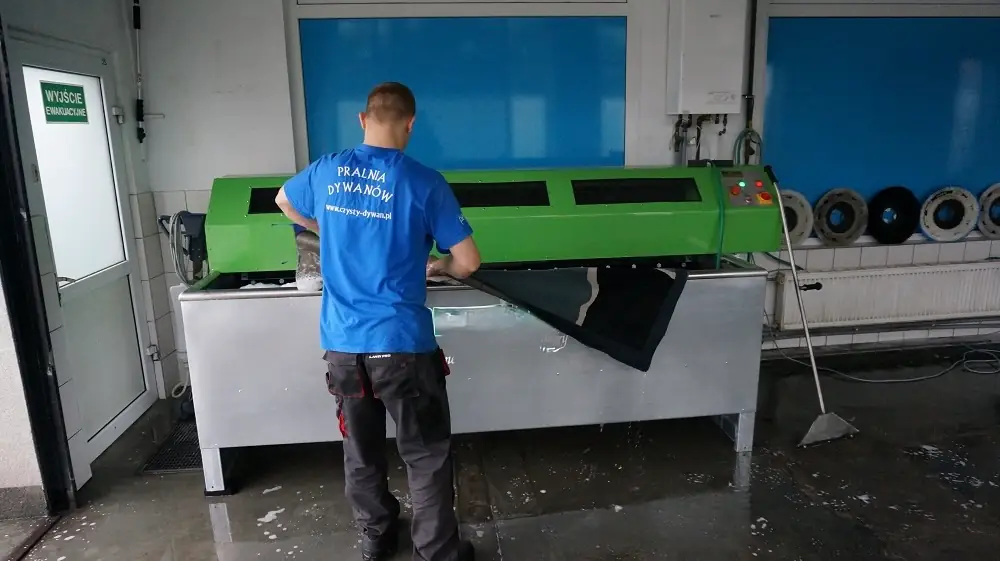
Prototype rug soaking tank, 2014.
For ten years I ran a workshop at 44 Lechicka Street in Poznań. Its 250 m² gave us room for more rugs than our first premises in Plewiska. In 2017 we also opened a workshop in Komorniki. That same year we moved our Plewiska operation into a larger building at the address customers already knew, 56 Wołczyńska Street. With 800 m² spread over three levels, we had room for a wash floor, two drying rooms and a workshop for rug repairs and edge binding.
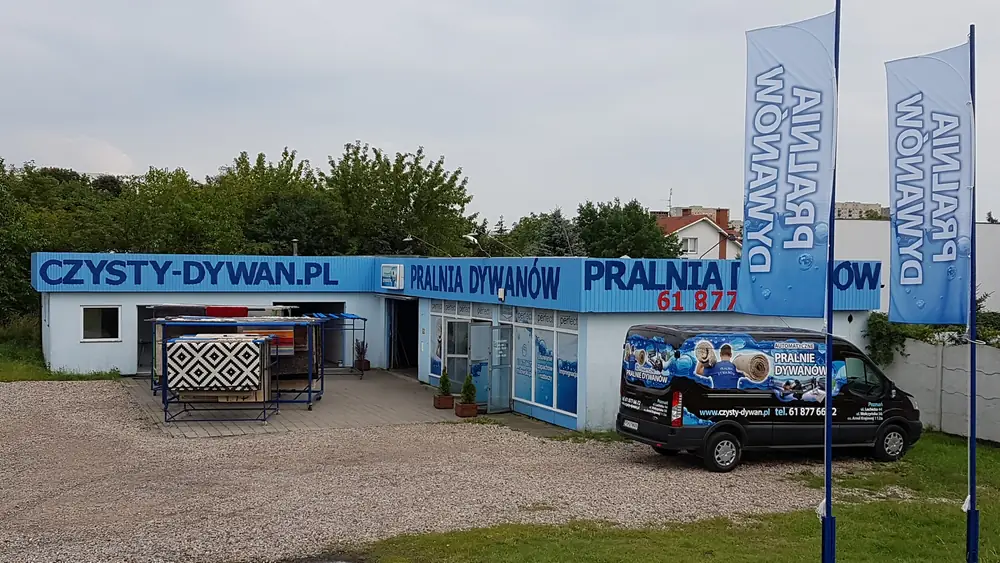
Our workshop at 44 Lechicka Street in Poznań, 2014.
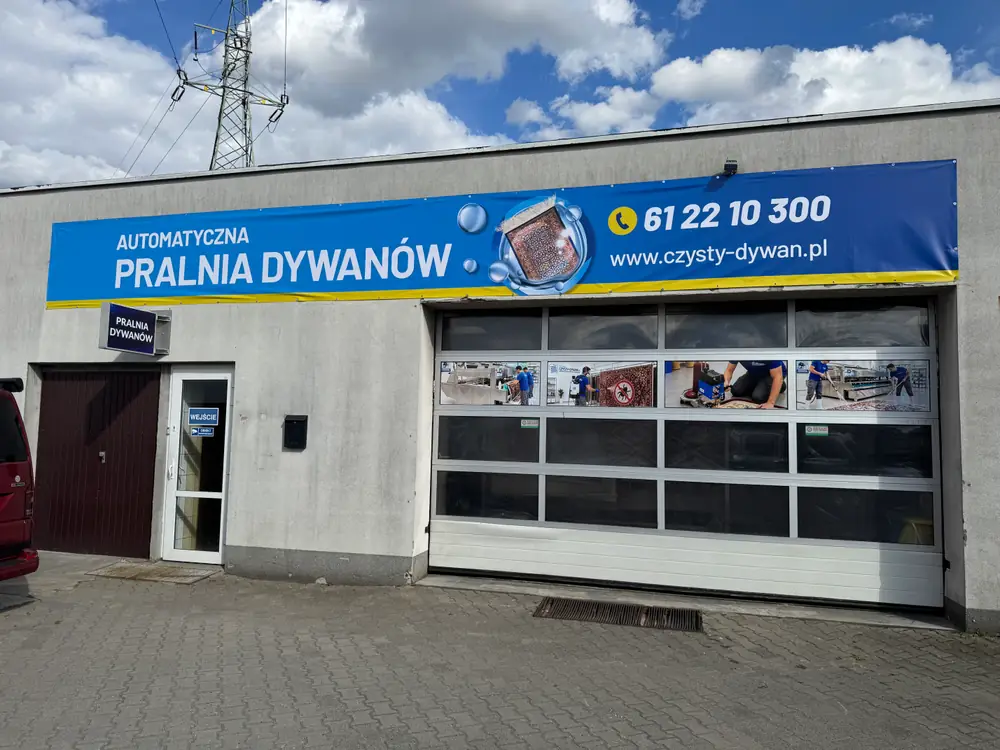
The building we moved into in Plewiska in 2017.
Over the years I have visited more than 500 rug cleaning workshops in Poland and abroad. At some I helped introduce machines and trained the teams to assess rugs before washing. At others I was there to learn. In Wales I attended a multi-day course with Lisa Wagner and Tom Kennedy. Later, I spent a day with Lisa and her team at their San Diego workshop. In 2018 Ellen Amirkhan showed me around her family business, Oriental Rug Cleaning Co. in Dallas. In Tennessee I exchanged ideas with instructor Ruth Travis.
In Berlin I learned rug repair and dyeing, and in Lipno I learned how to bind rug edges. I use those skills in our workshop today, where I can choose from 120 yarn colours. In October 2026, a local seller in Marrakesh showed me how to tell different types of Berber rug apart.
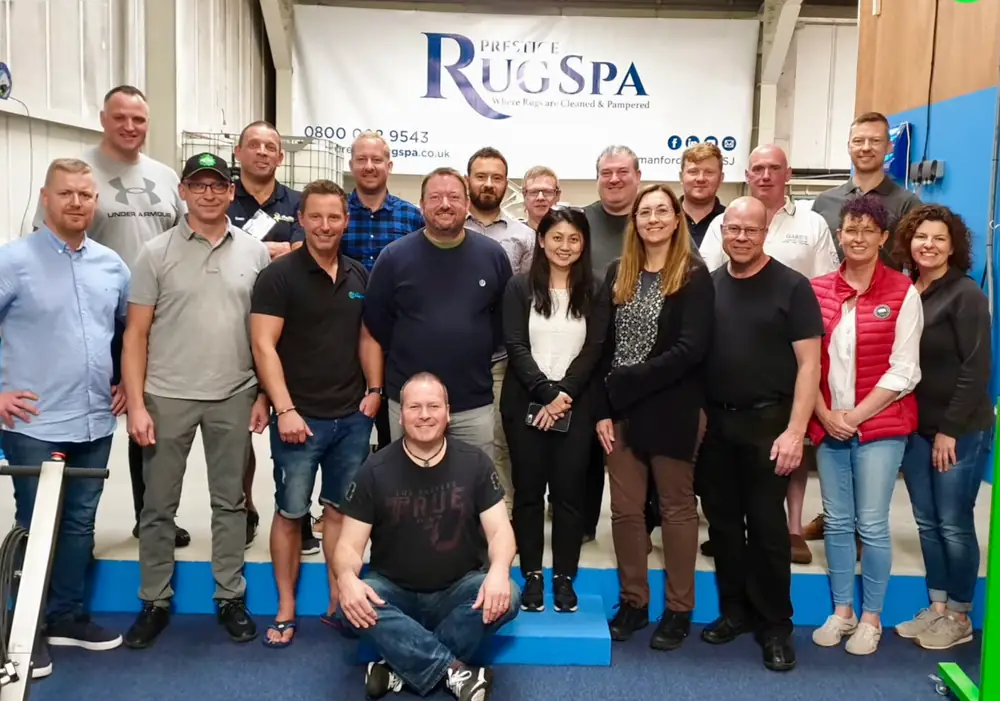
Participants on Lisa Wagner and Tom Kennedy’s course in Wales.
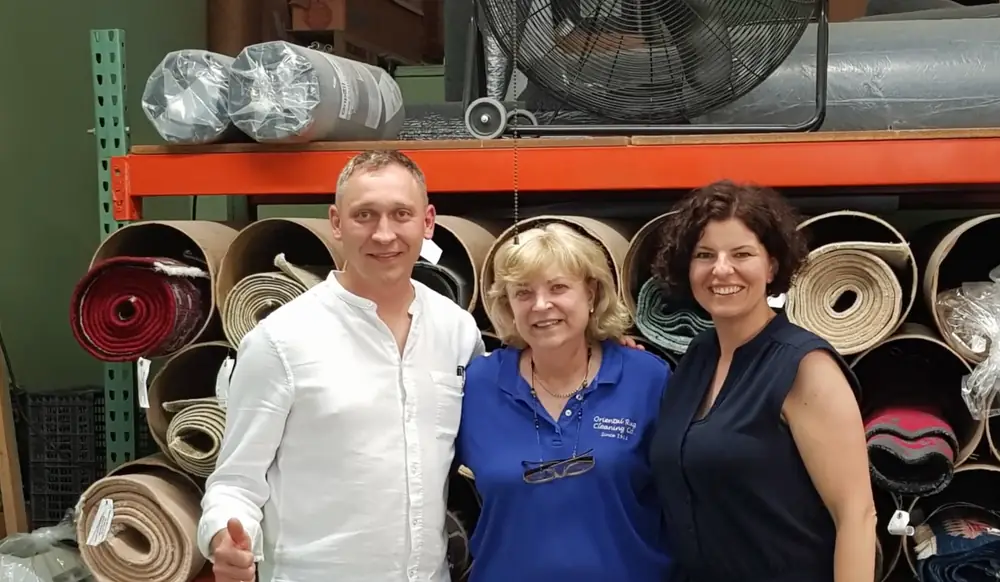
Visiting Ellen Amirkhan at Oriental Rug Cleaning Co. in Dallas, 2018.
In 2017 Kamil Rutkowski, other workshop owners and I co-founded PralnieDywanow.pl. We organised training and shared our experience. In 2025 Kamil and I started RugMag, a company that imports rug washing machinery. Visiting factories in Turkey gave me the chance to talk directly with the designers about what I needed in my own workshop.
In October 2025 we put a Hayikama line into service in Plewiska for rugs up to 420 cm wide. It includes a rug duster, an automatic washer with ten brushes and a spin dryer. Together with the manufacturer’s engineers, I also designed a table for measuring and rolling rugs. Once a rug is dry, the table gives me a final chance to look it over closely before it goes back to its owner.
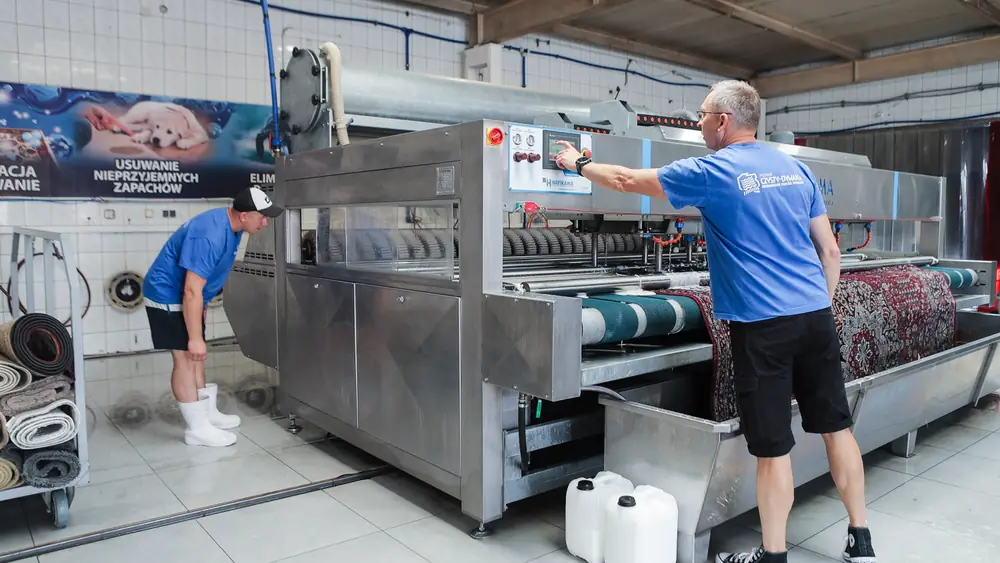
Washing a rug in the Hayikama machine in Plewiska.
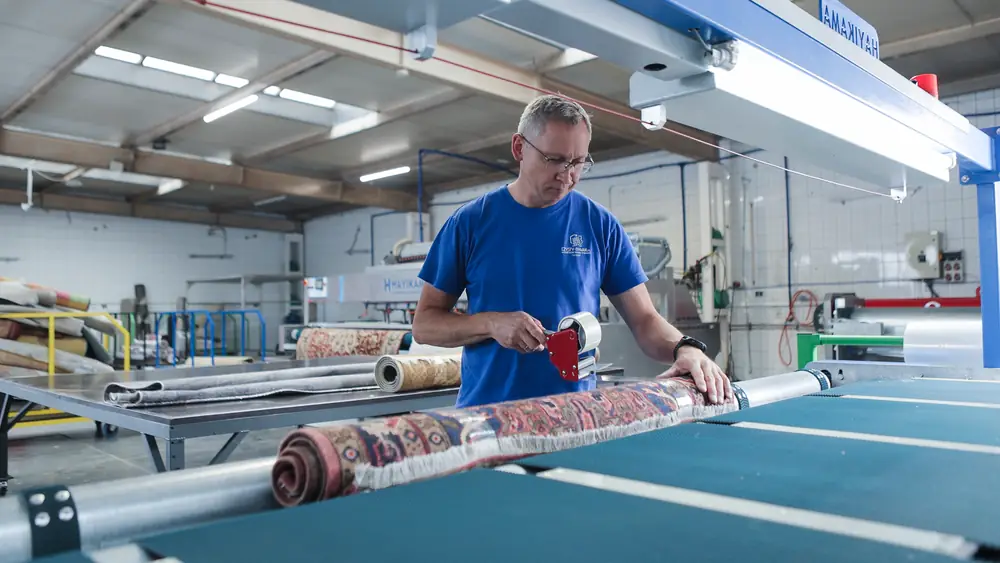
Wrapping a rug at the measuring and rolling table.
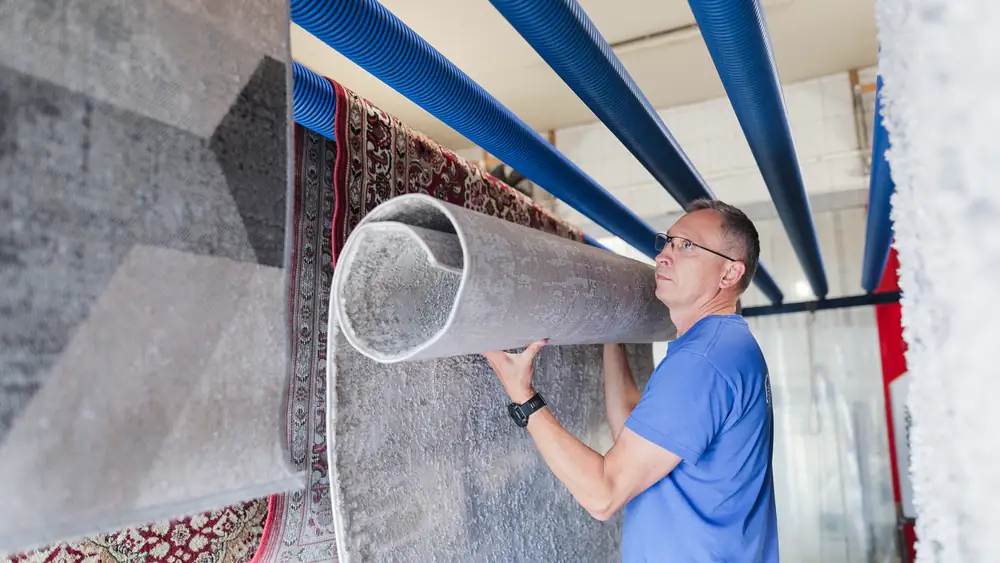
Hanging rugs in the drying room in Plewiska.
I rode the Wisła 1200 from the source of the Vistula to its mouth on the Baltic Sea. I share stories from the road and show how I prepare my bike for long rides on my YouTube channel, MiłoszTV.
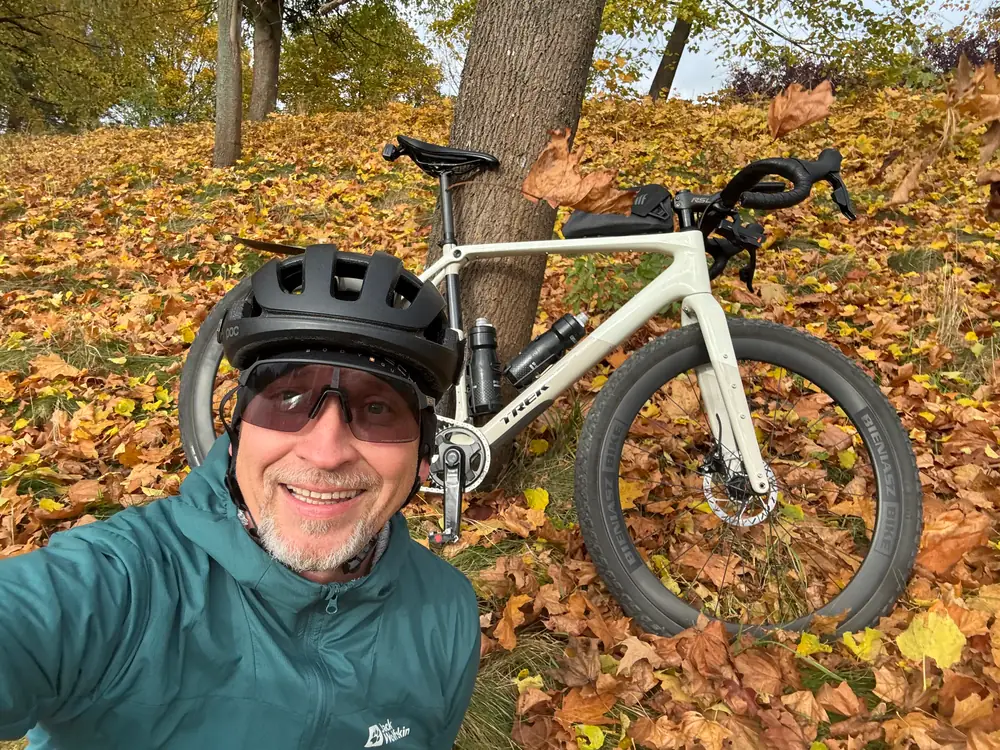
Out on a gravel ride. I document my trips on MiłoszTV.
My guides answer customers’ questions about rug care, odours and preparing a rug for washing. Read all the guides on our blog.
2026-03-24
2020-03-22
2019-12-16